To prevent muscle loss on Ozempic or another GLP-1, do two things consistently: hit a daily protein floor and lift something heavy at least twice a week. Rapid weight loss always pulls from lean mass as well as fat, and studies suggest a quarter to nearly half of GLP-1 weight loss can be muscle when nothing is done to protect it. That is the bad news. The good news is that muscle loss is largely preventable, and the plan is simple enough to run without thinking about it.
Here is why it matters so much, and exactly how to hold onto the muscle you have.
Does Ozempic cause muscle loss?
Not directly, but it is a real effect of the weight loss itself. Whenever the body loses weight quickly, some of that loss is lean tissue, not just fat. This is true of dieting, surgery, and GLP-1 medications alike. The often-quoted range is that roughly one quarter to nearly one half of lost weight can be lean mass when protein and training are neglected.
Notice the condition on that: "when neglected." Muscle loss is not a fixed tax you have to pay. It is what happens by default, and defaults can be changed. Harvard Health lays out why holding onto muscle matters so much, especially as we age, in Preserve your muscle mass.
Why muscle matters in maintenance
Muscle is not just about strength or looks. It is metabolically active tissue, which means it burns more calories at rest than fat does. Keep your muscle and your metabolism stays higher, which makes maintaining your weight easier. Lose it, and you burn less at rest, so the same meals start to add weight.
There is a crueler twist for anyone who plans to stop the medication. If you lose muscle during weight loss, stop the drug, and then regain, the weight tends to return as fat. You can end up at a similar weight but with a worse body composition than where you started. That is the exact scenario the protein floor is designed to prevent, and it is a big part of why regain happens in the first place.
Protect the muscle now, and you protect your metabolism, your strength, and the result you worked for.
The protein floor: your one daily number
OffRamp uses a protein floor instead of a calorie target, and the distinction matters. A calorie ceiling is a limit you try to stay under, which feels like restriction and tends to backfire. A protein floor is a minimum you try to reach, which feels like a goal. You aim to hit it, and you do not obsess over anything else.
The right floor depends on your body, not a generic number, which is why the app sets a personal target for you rather than handing everyone the same figure. Protein does double duty here: it supplies the raw material your body needs to keep muscle, and it is the most filling nutrient, so hitting your floor also helps quiet hunger and the food noise. There are no calorie counts involved anywhere.

How to hit your protein floor without overthinking it
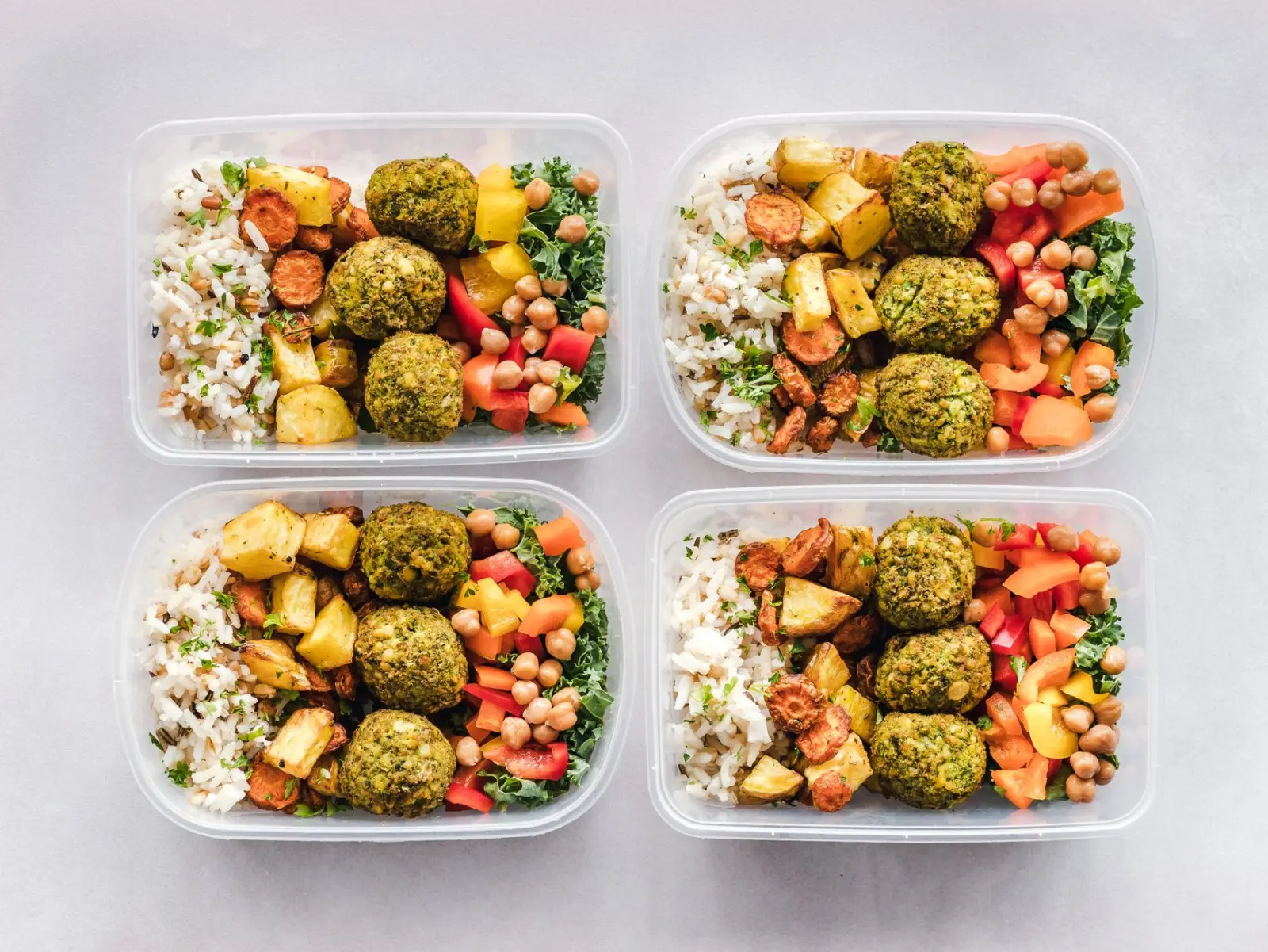
The trick is to build meals around protein first, then add everything else. A few habits make it nearly automatic:
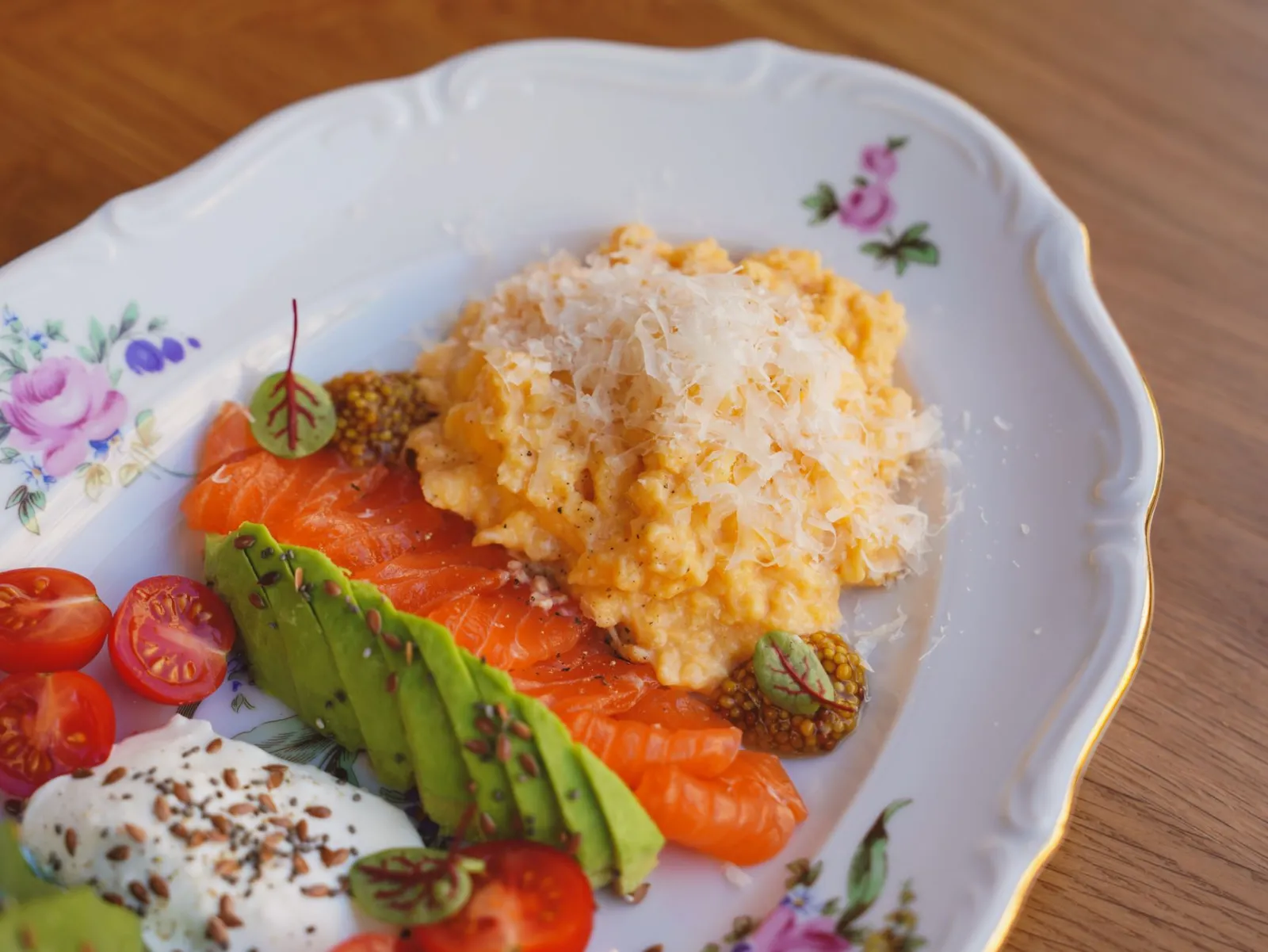
- Anchor every meal with a protein. Eggs, Greek yogurt, cottage cheese, chicken, fish, tofu, legumes, or a shake. Decide the protein first, build the rest around it.
- Front-load breakfast. A protein-forward first meal makes the daily floor far easier to reach and sets appetite up well for the rest of the day.
- Keep fast options on hand. Yogurt, jerky, edamame, a tub of cottage cheese, or a protein shake for the days that get away from you.
- Log it in seconds. In OffRamp you can snap a photo of your plate, search a food, or scan a barcode, and the protein lands straight on your daily floor. No math, no calorie counting.
Strength training: the other half
Protein gives your body the material to keep muscle. Strength training gives it the reason to. Without the signal that resistance provides, extra protein alone will not fully protect lean mass during weight loss. The two work as a pair.
You do not need a gym or long sessions. Two short, equipment-light strength workouts a week are enough to send the keep-your-muscle signal: bodyweight squats, push-ups, rows with a band, a few dumbbell moves. The NIDDK weight-management guide reinforces that combining sensible nutrition with regular activity is what makes results stick. Consistency beats intensity here. Two sessions you actually do every week are worth more than an ambitious plan you abandon.
How OffRamp makes it automatic
OffRamp turns muscle protection into a daily rhythm you barely notice. It sets your protein floor, gives you a fast way to log toward it, and includes short strength sessions you can do at home. Paired with the Regain Radar and the 30-second check-in, it becomes the quiet system behind keeping the weight off. Protect your muscle while the medication is doing its work, or after you have stopped, and you protect the whole result.